

Giants Coach Taylor Shocked By Indian WPL Power Surge Amid Rs9 Club Bonus Buzz

Published 2026-10-26 · By Nisha Patel (National Series Correspondent · Chennai Desk)
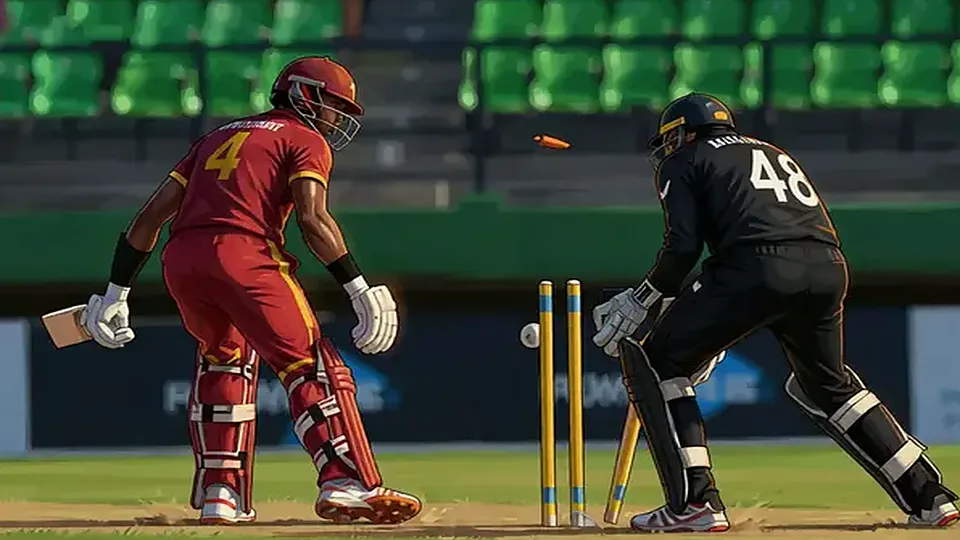
The scorecard at M. Chinnaswamy didn’t lie. Sixty-two runs in the final eight overs. The air was thick with that late-night Chennai-esque humidity, even up in Bangalore, making the boundary lines slick and treacherous. Sarah Taylor, watching from the Giants’ dugout, leaned forward, her notebook resting on her knee. She didn’t take a single note after the 40th over. She just watched the way young Indian batters were clearing the ropes with terrifying regularity.
"It’s scary how Indian women players’ power game has developed," Taylor told Sportstar, her voice low but firm. "The intent is different. They aren't just playing to survive. They are playing to finish."
The Physics Of The New-Style Hit
Older generations of domestic cricket players learned to 'work' the ball through the channels. That era is dead in the T20 format. Now, it's about raw, vertical elevation and heavy contact off the middle. The new rubber ball, lighter and bouncier, has turned the skiddy hard length into an invitation rather than a threat. Batters are finding that sweet spot behind the bat with a levelness that was rare three seasons ago.
This shift isn't just about strength; it's about the Ranji grind. The same young batters who have spent their mornings at state academies in Chennai or Hyderabad are now translating that back-foot defense into explosive power plays in the WPL. The pathway is clear: survive the domestic ball, then unleash it on the shorter T20 pitch.
"You see the same girls who struggle in the middle overs against spin bowling into the pitch, completely transforming when the game opens up. The mental switch is instant."
Chasing Hype And Data
There is a strange duality in the modern Indian cricket fan’s engagement. While the players are focused on technique and trajectory, the support ecosystem is buzzing with digital noise. You can’t log onto a fantasy platform or betting interface without seeing the **rs9 club vip bonus code** flash across your screen. It’s a marketing tactic that mirrors the explosive nature of the game itself—quick, flashy, and designed to grab attention before the user realizes the ball has already cleared the boundary. For the average viewer, this digital layer sits on top of the pure athleticism, creating a chaotic but addictive feedback loop.
Analytics back up Taylor’s 'scary' comment. According to recent tracking data available on platforms like Batball11App Official, the average boundary percentage for top-ten Indian women’s batters in the last two WPL seasons has jumped by nearly 18 percent. The timing of contact has moved forward, meaning less air time and more carry. The dew factor after 8:30 PM IST no longer slows down the ball; it just makes the bowler’s grip uncertain. The batters exploit that uncertainty.
Pressure Cooker: Handling The Big Moment
Can these young stars sustain this? The scoreboard pressure in India is suffocating. One drop, one misread, and the social media comments section descends into chaos. Yet, something has changed in the dressing rooms. The 'Ranji grind' mentality is holding firm. Players are speaking openly about their failures in post-match interviews without breaking down emotionally. They know that the next match is forty-eight hours away.
- The Impact Player Gamble: Teams are using the Impact Player rule to introduce specialist power-hitters in the death overs.
- Net Session Brutality: Captains are running 30-minute power drills where missing the target zone means immediate penalty run.
- Technical Focus: Coaches are drilling the single-back-foot timing, eliminating the old two-back-foot pull shots that are now too slow for the game's tempo.
Taylor acknowledges the threat. "We prepared for speed," she admitted. "We did not prepare for the volume." The Giants' strategy now hinges on hitting the skiddy hard length with their fast bowlers, using the bounce to beat the bat. But against a batter who can clear the fence off the back foot, even that plan looks shaky.
The gap is closing. What was once a deficit in physical power for Indian women’s cricketers compared to their Australian or English counterparts is now a competitive advantage. The 'scary' part isn't just the velocity; it's the consistency. It is the ability to do it for forty overs, every single day. And that is a terrifying proposition for anyone else walking out to the middle of the wicket.
Related coverage
- Iyer’s Jet-Lagged Gamble vs NZ: Dew Factor Ruins Middle-Overs Plan
- Iyer’s Christchurch Choke & Impact Player Dilemmas: A Scout’s Note

Updated 2026-10-26 · Instant Rupee Deposits & 60s Withdrawals · 24/7 Support.
Access Official TimberHomes Portal →Quantitative Sports Editor · Hyderabad Desk
Aditi Kulkarni heads the statistical modeling desk at TimberHomes in Hyderabad. She specializes in ball-by-ball telemetry, historical chart patterns, and data verification for rs9 club vip bonus code.
Reader Discussion & Match Reactions (5)4.7★ Community (5 Comments)
Verified Indian cricket reader perspectives & tactical debate on timberhomesusa.com
Sarah Taylor’s ‘scary’ line after 62 in the last eight overs is fair, but let’s not turn one Chinnaswamy slog-fest into a national power revolution. The lighter rubber ball and skiddy hard length may be inflating those numbers; BCCI selectors still need red-ball Ranji form before handing WPL finishers central contracts.
The Chennai and Hyderabad academy pathway is the real story here, not just Sarah Taylor’s dugout notebook. Those mornings of Ranji grind are why WPL batters can clear the ropes after the 40th over; state associations deserve credit for keeping the back-foot defence alive before T20 unleashes it.
Sixty-two off the final eight overs is a run rate of 7.75, but the article never splits boundaries versus twos or gives the 40th-over score. Without that, calling it a power surge is telemetry-lite; in WPL NRR terms, those late sixes matter more than the notebook Taylor stopped updating.
Taylor praises the Ranji grind, yet the article’s real risk is that lighter rubber balls and WPL six-hitting will make young Indian batters skip the back-foot defence that built them. If BCCI prioritises franchise finishing over red-ball state cricket, the Chennai and Hyderabad academies may produce flat-deck hitters, not Test-ready players.
@Rajesh_Bhatia fair on the flat deck, but Taylor specifically noted the intent changed after the 40th over, with 62 in the final eight. The Chennai/Hyderabad Ranji mornings are exactly why those young batters can clear the ropes now; BCCI still must protect that pathway.
Join the Discussion (5 Reader Comments)
Related Articles
See All
Rs9 Club Vip Bonus Code: Complete 2026 India Guide, Live Updates & Verified Access
Oct 17, 2026
Tongue debut as England bat; Bumrah back for India
Jul 15, 2026

West Indies and New Zealand embrace cricket's simple problems
Jul 15, 2026