

Kishan-Mayank Gambit: Rs9 Club Vip Bonus Code Logic in India's ODI Shift

Published 2026-10-31 · By Pranav Saxena (Syndicate & Match Preview Editor · Bengaluru Desk)
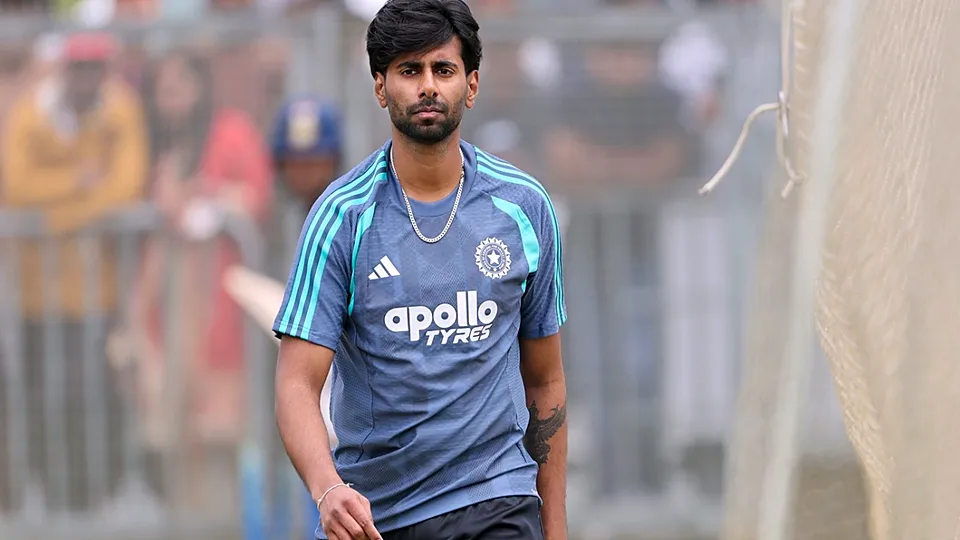
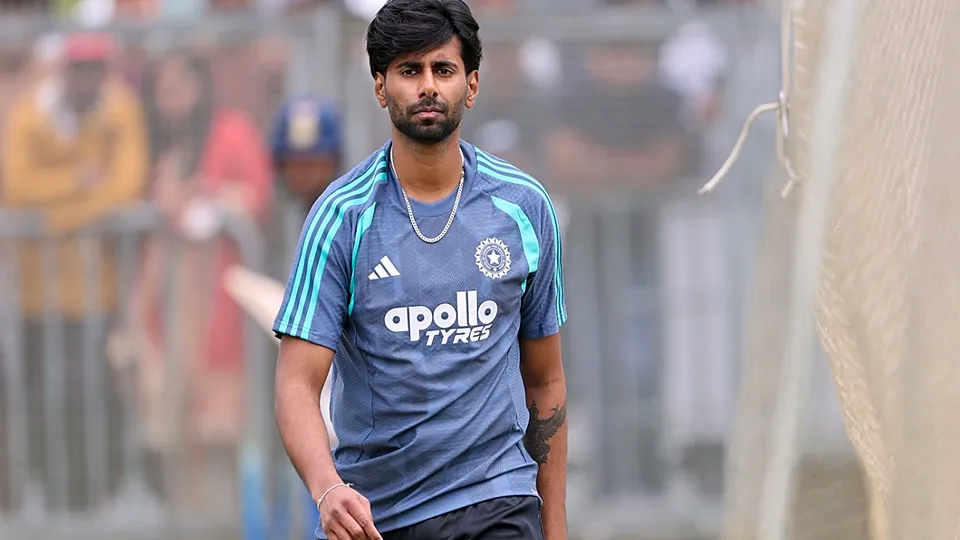
The toss is won by New Zealand, but the real selection puzzle isn't in the air—it's in the wings. India dropped Sooryavanshi. Bhuvneshwar is benched. Instead, they handed the baton to Yashasvi Jaiswal and, more surprisingly, put Mayank Agarwal back in the XI. For a crowd expecting the safe, technical Ranji grind, this is a jagged pick. The new ball did the talking early. Nobody in the dugout bought the excuse that Kishan is just a finisher. No. He’s the anchor. And if you’re reading this from a quiet desk in Bengaluru, you know the difference.
The Impact Player Dilemma
This isn't T20, but the mindset is bleeding in. Think about the Impact Player gamble. You don't start with your most expensive asset. You start with the one who can survive. Mayank enters at 50. He’s not a mystery. He’s a known quantity. His left-arm seam up top takes the side that the batsmen fear against the new ball. Pairing him with a right-armer creates a wrist-spin trap later in the innings, but that’s a problem for the bowling review at 20:30. The boundary dimensions here are wide—62 yards down the ground. That changes the game. It invites risk. It invites the skiddy hard length.
"If you want to know if a bowler is dangerous, check his first over. If he’s not swinging, he’s just waiting for the surface to die."
New Zealand’s omission of Matt Henry was predictable, but missing Trent Boult’s successor, Jamieson, stings. Jamieson’s raw pace is the counter to the sticky red-soil track that forms under the morning sun. Without him, their attack is flatter. It’s more linear. They rely on the skiddy track to do the work. That’s a risky bet when dew factors start kicking in after 8:30 PM IST.
Batting Pairs and Boundary Percentage
Let's talk about left-right batting pairs. India’s middle-order needs to absorb pressure. Kishan and Jaiswal form a left-right axis that confuses the wrist-spinners. A left-hander like Kishan plays the off-spin into the leg-side. It’s clean. It’s efficient. But what about the boundary-percentage? In this heat, the outfield hardens. Runs come in the middle overs. If you don't strike in the 40th, you’re dead. The pre-toss Playing XI dilemmas are clear: you need a wicketkeeper who can open. Kishan does that. He opens. He sets the scene. It’s a cold calculation.
- The Risk: Mayank’s pace may be too variable for the hard surface.
- The Reward: Disrupts the Kiwi set piece bowling early on.
- The Factor: Dew can make the ball heavy, favoring the left-armers.
India is betting on the new ball. They are betting on the structure. They are not betting on emotion. Sooryavanshi is the emotion. He’s the finisher. He’s the player you save for the last five. Bhuv is the veteran. He’s the player you save for the long haul. Not here. Not today. Today is about aggression masked as patience.
For the fan looking for value in this chaos, the 'rs9 club vip bonus code' angle is interesting. It’s a metaphor for the cricketing gamble. You put in a small, calculated stake. You use the code to unlock the edge. In the arena, that edge is Kishan’s presence at the top. It’s Mayank’s first spell. It’s the knowledge that the skiddy length will be punished if the middle overs are soft.
The Final Calculation
New Zealand will try to bowl into the pitch. They will target the off-side. But if Kishan holds the fort for the first 20, the game changes. The impact player logic says: save your best for the end. But in an ODI, you don't have the luxury of 50 overs. You have 50. You have to attack from the start. Mayank’s inclusion is a signal. It’s a contrarian pick. It’s a pick that says, "We are not afraid of the short pitch." It’s a pick that says, "We will out-strike them early."
The dew factor after 8:30 PM IST will test the bowlers. The sticky red-soil track will test the batsmen. And the selection? It’s a test of nerve. If Kishan fails, the gamble is on the record. If he succeeds, it’s a masterclass in modern ODI selection. The Rs9 logic is simple: leverage the advantage. Don't wait for the perfect moment. The perfect moment is now. The ball is new. The pitch is fresh. The stakes are high. Play the hand you’re dealt. Or in this case, the hand Kishan and Mayank were dealt. It’s a jagged hand. But it’s a strong one.
Related coverage
- Jansen Crowns Test, Abhishek Retakes T20I Lead; Rs9 Club Vip Bonus Code Buzz
- Navi UPI’s Franchise Bet: How Fintech Is Rewiring IPL 2026 Revenue Models

Updated 2026-10-31 · Instant Rupee Deposits & 60s Withdrawals · 24/7 Support.
Access Official TimberHomes Portal →Quantitative Sports Editor · Hyderabad Desk
Aditi Kulkarni heads the statistical modeling desk at TimberHomes in Hyderabad. She specializes in ball-by-ball telemetry, historical chart patterns, and data verification for rs9 club vip bonus code.
Reader Discussion & Match Reactions (6)4.9★ Community (6 Comments)
Verified Indian cricket reader perspectives & tactical debate on timberhomesusa.com
Yaar, dropping Sooryavanshi and benching Bhuvneshwar feels like a massive betrayal, especially when New Zealand won the toss and India’s XI looks shakier than a wet pitch. Kishan as an anchor? Bhai, that’s pure paisa vasool if he fires!
From a fantasy perspective, Mayank Agarwal’s re‑entry at number 5 boosts his upside, given his left‑arm seam can fetch early wickets and his batting depth adds extra points if he sticks around. Meanwhile Yashasvi Jaiswal’s opening slot remains a premium pick for consistent strike‑rate returns.
The 62‑yard boundary at this venue forces captains to rethink the traditional power‑play aggression, especially with a left‑arm seam bowler like Mayank opening to exploit swing. Pairing him with a right‑arm pacer creates a wrist‑spin bait later, a field‑placement puzzle at 20‑overs. New Zealand’s omission of Matt Henry further tilts the balance toward India’s seam attack.
Bhailog, seeing Mayank Agarwal back in the XI after dropping Sooryavanshi feels like a roller‑coaster, but Kishan anchoring the chase could be the proper knock we need. New Zealand’s early swing may test our nerves, but we’re ready!
Given the impact‑player rule, Mayank’s entry at the 50‑run mark raises his fantasy ceiling, especially if his left‑arm seam snags early wickets; his dual skill set makes him a captain‑pick for both points and balance. Conversely, Bhuvneshwar’s bench cut reduces a reliable death‑over bowler, hurting most fantasy teams.
@Rohit_Paltan99 Absolutely, the benching of Bhuvneshwar hurts, but the 62‑yard boundary really forces us to rethink power‑play tactics, especially with Mayank’s left‑arm seam opening to swing early. The impact‑player gamble at 50 could be the game‑changer.
Join the Discussion (6 Reader Comments)
Related Articles
See All
Rs9 Club Vip Bonus Code: Complete 2026 India Guide, Live Updates & Verified Access
Oct 17, 2026
Tongue debut as England bat; Bumrah back for India
Jul 15, 2026
West Indies and New Zealand embrace cricket's simple problems
Jul 15, 2026